Aesthetic Approaches to Facial Changes Associated With GLP-1 Weight Loss
An in-depth look at how GLP-1 weight loss can impact facial volume and skin quality, plus the proactive treatments that help support structure, collagen, and a refreshed appearance throughout the process.
February 13, 2026

GLP-1 medications are no longer limited to celebrities or high-profile individuals—they’ve become widely normalized, with a growing portion of the population incorporating them into their wellness journeys. As conversations around health, weight loss, and body transformation continue to intensify, it’s important to acknowledge one key reality: we cannot choose where we lose weight, nor can we fully control how those changes present in the face.
GLP-1 medications such as semaglutide, Wegovy, Ozempic, and tirzepatide work by reducing appetite and regulating blood sugar, effectively supporting weight loss. However, the pace at which weight loss can occur often leads to noticeable changes in facial structure. This has given rise to the commonly discussed term “Ozempic Face,” though it’s important to note that these changes are not unique to GLP-1 medications. Any rapid weight loss can result in a face that appears more hollow, deflated, or aged. In fact, many individuals notice facial changes before seeing significant shifts elsewhere in the body.
These changes occur in part because the face contains both superficial and deep fat pads that provide volume and structural support. When these fat pads shrink rapidly, underlying bone structure becomes more pronounced, fat pads descend, and the skin loses some of its natural support. Additionally, reduced caloric and nutrient intake may slow collagen and elastin production, while decreased hydration can cause the skin to appear thinner, duller, and more crepey. Together, these shifts can make the natural aging process appear accelerated—particularly during periods of rapid weight loss.
To address these concerns, our approach focuses on supporting the face throughout the weight-loss journey rather than reacting after changes have already occurred.
Sculptra is often incorporated during this process and typically involves a series of three sessions using one to two vials per session. Sculptra works by strengthening tissue integrity, restoring youthful contours, and stimulating collagen production for natural, long-lasting results. While it builds gradually, its longevity is exceptional—often lasting up to five years. Annual maintenance sessions are recommended to preserve results.
Hyaluronic acid dermal fillers are used strategically to rebuild structure and replace volume lost due to fat reduction. The goal is to restore balance and softness while maintaining natural facial movement. Hyaluronic acid fillers provide immediate volume restoration, helping the face appear refreshed and more youthful.
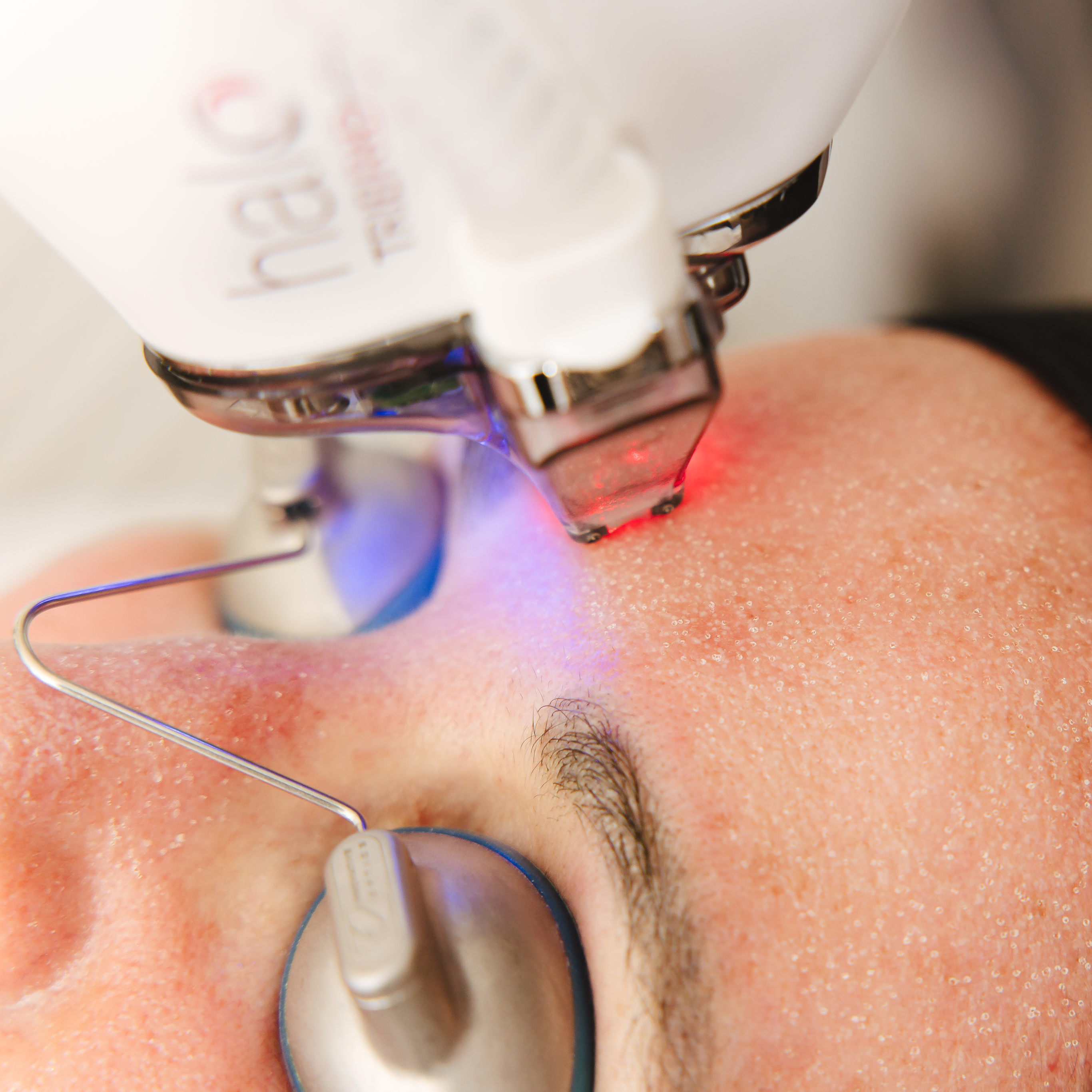
Weight loss can impact more than facial volume—it also affects overall skin quality. Many patients experience changes in barrier function, oil production, cell turnover, and hydration due to metabolic and nutritional shifts. For this reason, collagen-stimulating and skin-quality treatments like microneedling and BBL + Moxi become especially beneficial during this time.
Platelet-rich fibrin matrix (PRFM) is commonly used in the under-eye area to improve collagen and elastin production, reduce fine lines, and decrease pigmentation. A series of three treatments is recommended for optimal results. PRFM can also be combined with microneedling during the same session to further enhance texture, stimulate collagen, and restore a healthy, hydrated glow to the skin.
The most effective approach is proactive treatment during the GLP-1 weight-loss process rather than waiting until weight loss is complete. By supporting facial structure and skin health throughout the journey, we can help minimize dramatic changes and ensure patients feel confident, supported, and refreshed every step of the way.